On this page
The first time I took a driverless robotaxi, I spent the whole ride with my hand hovering over the door handle. No driver. Empty seat up front, steering wheel turning on its own. Five minutes in, I forgot to be nervous and started reading my phone. That shift, from white-knuckle novelty to boring everyday transport, is exactly the shift I think about as an investor.
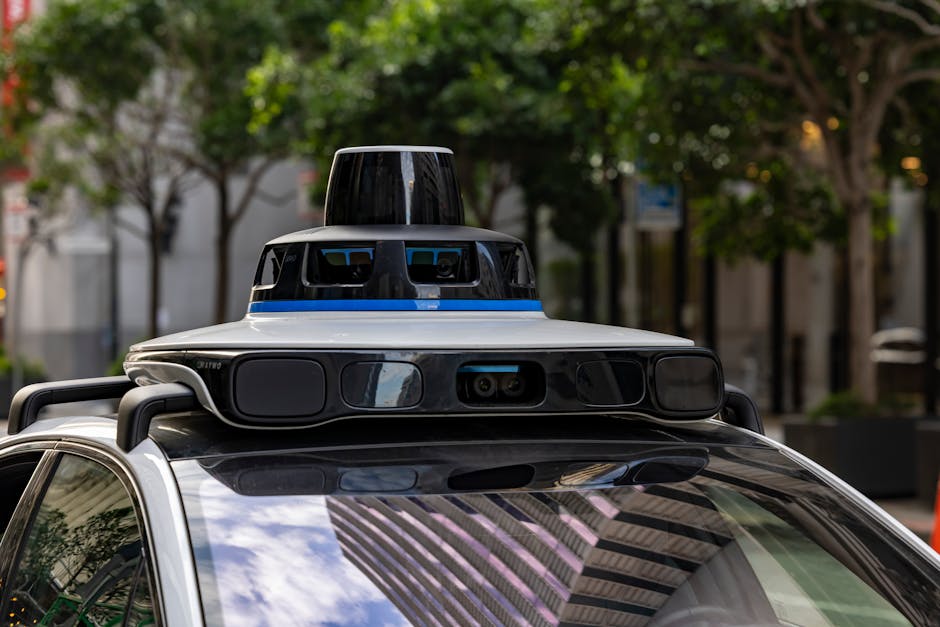
Here’s the short version: autonomous vehicles are self-driving cars, trucks, and delivery pods that use cameras, radar, lidar, and AI software to operate with little or no human input. For growth investors, the opportunity spans robotaxi operators, sensor makers, chip designers, and the legacy automakers racing to catch up, each capturing value at a different point in the supply chain.
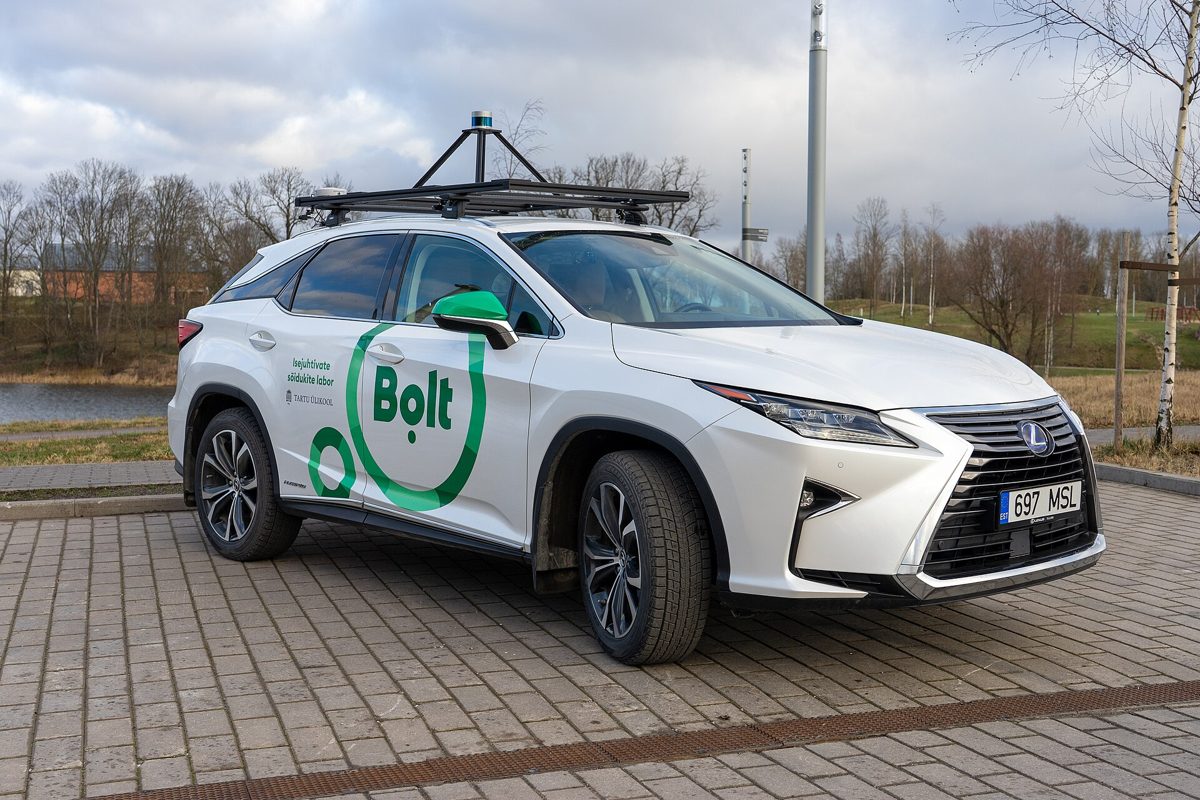
I’ve watched this theme go through two full hype cycles already. Around 2018 everyone promised fully self-driving fleets “next year.” It didn’t happen. The companies that survived the disappointment are the ones actually putting paid rides on the road today. That’s the lens I use now: who has revenue, who has a credible path to it, and who is selling a deck.
Why autonomous vehicles matter for growth investors right now
Transportation is one of the largest pools of spending on the planet. Taxis, trucking, delivery, personal car ownership, it adds up to trillions of dollars a year. If even a slice of that shifts to software-driven fleets, the companies that own the software and the data stand to earn margins that look more like tech than like a traditional carmaker.
That’s the real reason I pay attention. A profitable automaker might earn a thin single-digit operating margin. A company that runs an autonomous ride network, by contrast, could eventually keep the lion’s share of each fare once the car pays for itself. The unit economics flip from “sell a box of metal once” to “earn a fee on every mile, forever.” Whether any single company actually gets there is the open question.
The progress has been real, though. Leading robotaxi operators are now completing hundreds of thousands of paid rides a week and expanding into new cities each year. Autonomous trucks are hauling freight on fixed highway lanes. The cost of lidar, the laser sensor that maps a car’s surroundings in 3D, has dropped from tens of thousands of dollars per unit to roughly a few hundred (check current data, the figures move fast). Cheaper sensors mean wider deployment, and wider deployment is where the money lives.
The autonomous vehicles ecosystem, broken into pieces
I find it useful to stop thinking about “self-driving” as one industry and instead break it into layers. Each layer has different economics, different risk, and different odds of paying off. Here’s how I split it.
| Segment | What they do | Example players | My read on the risk |
|---|---|---|---|
| Robotaxi / full-stack | Build the whole self-driving system and run the fleet | Alphabet (Waymo), Tesla, Amazon (Zoox) | Huge upside, long timeline, heavy cash burn |
| Sensors (lidar, radar) | Supply the “eyes” that perceive the road | Luminar, Ouster, Aeva | High volatility; winners not yet clear |
| Compute / chips | Provide the AI brains and processing power | Nvidia, Qualcomm, Mobileye | Lower risk; sells into many customers |
| Trucking / freight | Automate long-haul highway driving | Aurora, Kodiak | Narrower problem, possibly faster to profit |
| Legacy automakers | Add driver-assist and partner on autonomy | GM, Ford, Mercedes-Benz | Stable, but autonomy is a side bet |
Tickers and players shift, so confirm current data before you act on any of this. The point of the table isn’t to hand you a buy list. It’s to show you that “investing in autonomous vehicles” can mean five very different things, with five very different risk profiles.
Full-stack robotaxi companies
These are the headline names, the ones building the complete system from the sensor array on the roof to the AI that decides when to brake to the dispatch software that sends a car to your corner. Alphabet’s Waymo is the clearest example of a service that’s actually live and scaling. Tesla is pursuing a camera-heavy approach and folding autonomy into cars it already sells. Amazon owns Zoox, a purpose-built robotaxi with no steering wheel at all.
My honest take: full-stack is where the biggest prize sits, and also where you can wait the longest with nothing to show for it. These programs swallow enormous amounts of cash. For most of these companies, autonomy is one line item inside a giant, profitable business, which cushions the bet. If you want to understand how a self-driving program fits inside a sprawling tech empire, my roundup of the Best Technology Growth Stocks walks through several of these parent companies in more detail.
Sensor and perception suppliers
A self-driving car can only be as smart as what it can see. That’s the pitch for the sensor companies: lidar for precise 3D ranging, cameras for reading signs and lane lines, radar for seeing through rain and fog, and ultrasonics for tight low-speed maneuvers. Pure-play lidar names like Luminar, Ouster, and Aeva sell the lasers that map the world.
I’ll be blunt here. The sensor segment has been brutal for investors. Several lidar companies went public during the SPAC frenzy at sky-high valuations, then watched their share prices collapse as deployment timelines slipped and competition crushed prices. The technology is genuinely improving and getting cheaper, which is great for the cars and rough for supplier margins. I treat this segment as the highest-risk, highest-reward corner of the whole theme, the part where you can be right about the trend and still lose money on the wrong stock.
The chips and software running the show
This is the layer I personally find the most comfortable. Companies like Nvidia, Qualcomm, and Mobileye supply the processors and the underlying software that turn sensor data into driving decisions. The appeal is simple: they sell into many automakers and many AV programs at once, so they don’t have to bet on a single winner taking the whole market.
It’s the classic “sell picks and shovels during a gold rush” play. You don’t need to know which prospector strikes gold; you just need the digging to continue. That same dynamic shows up across the wider software world, and if you like recurring-revenue models, my piece on Enterprise Software Stocks covers the broader category these autonomy platforms grow out of.
How I actually evaluate autonomous vehicles stocks
Theme investing is dangerous precisely because the story is so good. A compelling narrative makes it easy to overpay. So I force myself through a short checklist before I take any of these seriously.
- Is there real revenue, or just promises? Paid rides on the road beat a slick simulation video every time.
- How is autonomy funded? A self-driving program inside a cash-rich parent can wait out delays. A standalone burning its only pile of money cannot.
- What’s the regulatory exposure? One high-profile accident can freeze a permit and tank a stock overnight.
- Where does this sit in the supply chain? Suppliers with many customers carry less single-bet risk than a lone fleet operator.
- What am I paying for the dream? If the valuation already prices in flawless execution a decade out, the margin for error is gone.
That last point trips up a lot of people. With early-stage themes, the market often prices in a perfect future. When reality runs even slightly behind schedule, the correction can be savage. I’d rather pay a fair price for a so-so timeline than a perfect price for a perfect one.
Don’t bet the whole portfolio on one theme
I keep autonomous vehicles as one slice of a diversified growth book, not the whole thing. The timing here is genuinely hard to predict, and “right idea, wrong decade” is a real way to lose money. I’d rather hold a basket across the layers above, sized so that a blowup in any single name stings without doing lasting damage. For the broader foundation I build around, my list of the Best Growth Stocks to Buy in 2026 is where I start before sprinkling in higher-risk theme bets like this one.
Adjacent themes worth a look
Autonomy doesn’t sit in a vacuum. The same AI and sensor advances feeding self-driving cars are reshaping a handful of nearby industries, and some of them are further along the path to profit.
Payments is one. As cars start paying for tolls, charging, and parking on their own, the rails moving that money get more interesting, which is part of why I keep an eye on the Best Fintech Stocks to Buy. The autonomy stack also leans hard on satellite positioning and connectivity, so there’s real overlap with the names in my Space Technology Stocks writeup. Thinking across these themes is how I spot where one trend quietly powers another.
Frequently asked questions
Are autonomous vehicles actually on the road today?
Yes, in limited but growing form. Driverless robotaxis run commercial paid service in several U.S. cities, and autonomous trucks haul freight on set highway routes. They’re geofenced to mapped areas rather than going anywhere, so it’s early, but this is a real revenue-generating business now, not a future concept.
What’s the safest way to invest in autonomous vehicles?
I lean toward the suppliers, the chip and software makers that sell to many customers at once, rather than betting on a single fleet operator winning the whole market. Spreading across the supply chain, or holding a diversified growth basket with autonomy as one slice, lowers your single-stock risk meaningfully.
Why did so many lidar stocks fall so hard?
Many went public during the SPAC boom at inflated valuations, then deployment timelines slipped and price competition compressed margins. The lidar technology itself kept improving and getting cheaper, which helped carmakers but hurt supplier profits. The trend was right; many individual stock prices got far ahead of the actual business.
How long until self-driving cars are everywhere?
Honestly, nobody knows, and anyone giving you a confident date is guessing. Expansion is happening city by city and route by route, gated by regulation, weather edge cases, and cost. I’d plan for a gradual rollout over many years rather than a sudden flip where every car drives itself overnight.
Is Tesla or Waymo the better autonomous vehicles bet?
They take different paths. Waymo uses a full sensor suite including lidar and runs a live robotaxi service; Tesla favors a camera-heavy approach baked into cars it already sells. I won’t pick a winner for you, since both carry real execution risk. Check current data on each before deciding, and consider that you don’t have to choose just one.
The Bottom Line
Autonomous vehicles are no longer a thought experiment. The cars are on the road, the rides are paid, and the supply chain behind them is maturing fast. But the gap between “this technology works” and “this specific stock makes me money” is wide, and plenty of early movers have already burned investors who confused the two. My approach is to spread exposure across the layers, favor companies with real revenue or deep pockets, refuse to overpay for a perfect timeline, and keep the whole theme as one measured slice of a diversified portfolio. Get the position sizing right and you can participate in a genuine transformation without betting the farm on which player wins.
Autonomy and electrification are converging on the same vehicles, so the two theses are hard to separate — the best electric vehicle stocks covers the platforms, and electric bus stocks the fleet and transit market where driverless technology is likely to arrive first.
Last updated: June 2026. Figures are approximate and change — confirm current data before investing. Educational only, not individual investment advice.