
On this page
- Technical analysis vs. fundamental analysis for growth stocks
- The moving averages I actually watch
- Volume is the lie detector
- Chart patterns that matter for growth names
- How I use technical analysis to time entries and exits
- Mistakes I made so you don’t have to
- Frequently asked questions
- The Bottom Line
The first time I bought a growth stock purely on the story, I held it straight through a 40% slide because I had no idea how to read what the chart was screaming at me. The fundamentals were great. My timing was a disaster. That experience is the whole reason I bother with charts at all.
I’m not a chart purist. I think the people who trade on squiggly lines alone are kidding themselves. But ignoring price action entirely cost me real money, so I split the difference.
Technical analysis is the practice of reading price and volume on a chart to judge a stock’s trend, timing, and momentum rather than its underlying business. For growth investors, I treat it as the “when” that sits on top of the “what” my research already found. It won’t tell you which company to own, but it tells you whether the crowd is buying or bailing right now.
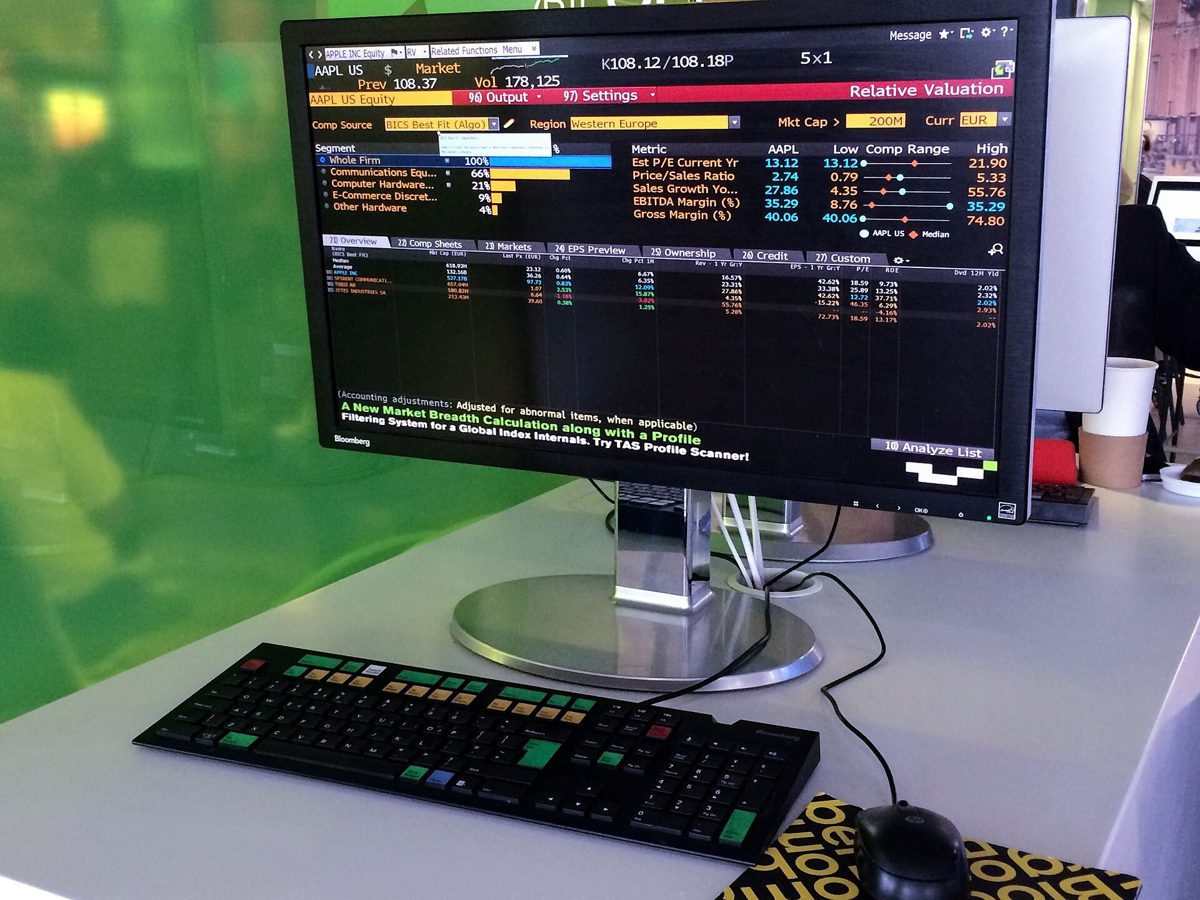
Here’s my honest stance after years of doing this: fundamentals pick the horse, technicals pick the race. If you’ve already done the work of How To Find Growth Stocks and you know a company is genuinely growing, the chart just helps you avoid buying at the worst possible moment and selling at the second worst.
Technical analysis vs. fundamental analysis for growth stocks
People love to frame these two as rivals. They’re not. They answer different questions, and growth investors need both. I do the deep business work with Fundamental Analysis for Growth Stocks, then I switch hats and look at the tape.
| Factor | Fundamental analysis | Technical analysis |
|---|---|---|
| Core question | Is this a great business worth owning? | Is now a decent time to buy or sell it? |
| What you study | Revenue growth, margins, balance sheet, market size | Price, volume, trend, chart patterns |
| Time horizon | Months to years | Days to months |
| Best at | Picking what to own | Timing entries and exits |
| Biggest weakness | Says little about timing | Says nothing about business quality |
My take: if you only get to do one, do the fundamentals. A bad chart on a great company eventually heals. A pretty chart on a junk company eventually breaks your heart. But once you’ve nailed the business, skipping the technical read is leaving free money and avoidable drawdowns on the table.
The moving averages I actually watch
Moving averages smooth out the daily noise so you can see the trend underneath. I keep it simple and stick to two lines that nearly everyone else watches too, which is exactly why they work.
The 50-day moving average
The 50-day simple moving average covers about ten weeks of trading and tracks the intermediate trend. Healthy growth stocks tend to ride above their 50-day line and bounce off it on pullbacks as big buyers step back in. When a leader slices below its 50-day on heavy volume, I treat that as a yellow light, not a sell button, but it gets my attention. Often it’s the first hint the run is tiring.
The 200-day moving average
The 200-day line is the long-term trend, roughly ten months of price action. Above it, the stock is in a long-term uptrend. Below it, the bulls have lost control. For me this is the line in the sand. When one of my growth names breaks under its 200-day and stays there, I stop making excuses and reread my thesis from scratch. More often than not, the chart knew something was wrong before the headlines did.
Golden cross and death cross
When the 50-day crosses above the 200-day, traders call it a golden cross. It signals strengthening momentum, and after a long, boring base it can mark the start of a real move, especially if earnings and institutional buying are improving at the same time. The flip side, the 50-day dropping below the 200-day, is the death cross. It can throw false signals in choppy markets, so I don’t trade it blindly. But it’s a fine prompt to trim risk and ask hard questions.
Volume is the lie detector
Price tells you what happened. Volume tells you whether to believe it. This is the single most underrated tool I use, and honestly it took me years to respect it.
A breakout to new highs on weak volume makes me nervous. A breakout on volume well above the average, say 40% to 50% heavier than a typical day, tells me institutions are actually accumulating, not just a few retail traders nudging the price. Check current data on your platform, but that surge in participation is the tell. The big funds can’t buy quietly, so their footprints show up in the volume bars.
The same logic runs in reverse. A nasty down day on light volume is often just nervous selling that gets bought back. A heavy-volume breakdown, where the stock drops hard on huge turnover, usually means real money is heading for the exits. I’ve learned to fear the second one and shrug off the first.
Volume also helps me confirm the momentum names I’m hunting. If you’re working through How to Spot Momentum Growth Stocks, you’ll notice the best ones almost always launch their big moves on a clear volume spike. No volume, no conviction, in my book.
Chart patterns that matter for growth names
I don’t memorize fifty patterns. Most are noise. For fast-growing stocks, a handful do the heavy lifting, and they all describe the same thing: a stock pausing to gather strength before its next leg up.
- Base and breakout. The stock trades sideways for weeks or months, building a base, then pops above the top of that range on strong volume. That breakout point is one of my favorite entry zones.
- Pullback to support. A stock in a clean uptrend dips back toward its 50-day line and holds. Buying that controlled dip beats chasing a name that’s already extended far above its averages.
- Higher highs and higher lows. Not a fancy pattern, just the basic signature of an uptrend. As long as each pullback bottoms higher than the last, I give the stock room to run.
What I avoid: buying a stock that’s stretched way above its 50-day after a vertical run. That feels like momentum, but it’s usually the point of maximum risk. The breakout from a quiet base is the lower-risk version of the same idea.
How I use technical analysis to time entries and exits
Here’s where the two disciplines finally shake hands. My process, roughly, looks like this.
First, I find the business. I want real revenue growth, expanding margins, a big market, and ideally the smart money already moving in. I lean on Institutional Ownership Analysis for that last part, because growth stocks tend to soar when funds are piling in and stall when they leave.
Then I check the chart. Is the stock above its key moving averages? Is it building a base or breaking out on volume, or is it falling apart on heavy selling? A great company in a downtrend goes on my watchlist, not into my portfolio. I’d rather wait for the chart to confirm than catch a falling knife.
For exits, the technicals do a lot of the emotional heavy lifting. A break below the 50-day on volume gets me to trim. A decisive break below the 200-day, or a death cross, pushes me to seriously reduce or exit unless the fundamental story is clearly intact. The chart helps me act before the loss gets ugly, which is the whole point.
Mistakes I made so you don’t have to
I’ve made every one of these, some more than once.
Treating technicals as fortune-telling. No indicator predicts the future. They describe odds and crowd behavior. The minute you expect certainty, the market humbles you.
Indicator overload. Early on I had eight indicators stacked on every chart. They contradicted each other constantly and I froze. Price, volume, two moving averages. That’s most of what I need.
Ignoring the fundamentals. A perfect breakout on a company with no earnings and a broken story is a trap. The chart can look pristine right up until the business reality catches up. Technicals time the move; they don’t justify the bet.
Fighting the broad market. Even strong charts struggle when the overall market is selling off. I pay attention to the major indexes before I get aggressive with individual growth names. When the tide goes out, most boats go with it.
Frequently asked questions
Is technical analysis worth it for long-term growth investors?
For me, yes, but as a supporting tool. If you’re holding for years, you don’t need to obsess over every wiggle. Still, knowing whether a stock is in an uptrend and buying near support instead of after a vertical spike can meaningfully improve your entry price and lower your stress. I’d use it lightly, not religiously.
Which technical indicators matter most for growth stocks?
I keep it lean: the 50-day and 200-day moving averages for trend, and volume to confirm whether a move is real. Those three cover most of what matters. Everything else, in my experience, is a refinement. If you’re drowning in indicators, you’re probably overcomplicating it and second-guessing good decisions.
Can I rely on technical analysis alone to pick growth stocks?
Honestly, I wouldn’t. Charts tell you about timing and crowd behavior, not whether a company is actually growing or wildly overvalued. Pairing technicals with solid fundamental work is what separates lucky trades from a repeatable process. The chart picks the moment; the business picks the bet. Drop one and you’re flying half-blind.
What does high volume on a breakout tell me?
It tells me institutions are likely involved, not just retail traders. Big funds can’t build positions quietly, so heavy volume, often well above the stock’s average day, suggests real accumulation behind the move. A breakout on thin volume is far more likely to fail and snap right back into the prior range. Always check current data on your charting platform.
How do I avoid false signals?
You can’t eliminate them, so I focus on stacking confirmation. I want the trend, the volume, and the fundamental story all pointing the same way before I commit real size. When signals disagree, I either wait or keep my position small. Patience beats precision here. Forcing a trade on a mixed picture is how I used to lose money.
The Bottom Line
Technical analysis isn’t magic and it isn’t nonsense. It’s a way to read the crowd and time your moves once your research has already told you what’s worth owning. I use it to enter near support, confirm breakouts with volume, and cut losers before they wreck my year. Pair it with strong fundamentals and you’ve got a real edge. If you want a starting point for where to apply all this, the names in my Best Growth Stocks to Buy in 2026 roundup are where I’d practice reading the charts first.
Charts matter most when your holding period is measured in weeks — swing trading growth stocks is where these tools actually earn their keep.
Last updated: June 2026. Figures are approximate and change — confirm current data before investing. Educational only, not individual investment advice.