On this page
- Why GLP-1 drug stocks landed on my radar
- The GLP-1 drug stocks landscape at a glance
- Eli Lilly and Novo Nordisk: the two that own the field
- The oral GLP-1 race and the next-gen challengers
- The picks-and-shovels way to play GLP-1 drug stocks
- The ripple effects, the losers, and the adjacent plays
- How I actually evaluate GLP-1 drug stocks
- The risks I never wave away with GLP-1 drug stocks
- Frequently asked questions
- The Bottom Line
I dismissed the whole obesity-drug story for too long. I figured it was another diet fad in a lab coat — hyped, then quietly forgotten. Then people I actually know started losing serious weight on these medicines and keeping it off, and my doctor started talking about them like they’d rewritten his playbook. That’s usually my signal to stop being smug and start reading the 10-Ks. What I found is one of the most powerful growth stories in healthcare right now — and a couple of traps that catch investors who only read the headlines.
So here’s the straight answer. GLP-1 drug stocks are shares in companies that make or supply GLP-1 receptor agonists — medicines that curb appetite and blood sugar to treat type 2 diabetes and obesity. They draw growth investors because demand has outrun supply for years and the treatable population is enormous, but the field is dominated by two giants and priced for big expectations. The opportunity is real. The valuations demand respect.
Here’s what a lot of coverage skips: “GLP-1 drug stocks” is not one trade. There are the two makers everyone names, the pure-play challengers chasing a next-generation pill, the picks-and-shovels suppliers who profit no matter who wins the prescription war, and the companies on the wrong end of the trend. Lumping them together is how you end up buying the hype instead of the business. Let me pull the space apart so you can see where the durable money sits and where the lottery tickets are.
Why GLP-1 drug stocks landed on my radar
The bull case is almost embarrassingly simple. Obesity is widespread, expensive, and tied to a long list of other conditions — heart disease, sleep apnea, joint problems, certain cancers. For the first time there are medicines that produce meaningful, sustained weight loss for a lot of people, not just a lucky few. When a drug works that well and the patient pool is that large, you get the rare combination growth investors dream about: huge addressable market and real pricing power at the same time.
Then there’s the durability of the demand. These aren’t one-and-done treatments. Patients generally stay on therapy to hold their results, which means recurring revenue rather than a single sale. From a business standpoint, that’s a subscription dressed up as a prescription. It’s the same quality I look for across the more durable end of medicine in my work on the Best Healthcare Growth Stocks — recurring need beats one-time demand almost every time.
And the use cases keep widening. What started as diabetes care became obesity care, and trials keep testing these molecules against heart disease, kidney disease, and sleep apnea. Every new approved indication expands the market and strengthens the case for insurers to pay. That expanding label is the part of the thesis I find hardest to bet against.
The GLP-1 drug stocks landscape at a glance
Here’s the map I keep in my head. The space splits into a few buckets, and each one behaves differently — different risk, different reward, different way of disappointing you. This table lays out the main groups, what you’re really buying, and the risk that tends to bite. Treat it as a starting frame, not gospel; the lines blur, and the leaders are moving fast.
| Group | What you’re buying | Why it matters | Main risk to watch |
|---|---|---|---|
| The two leaders (LLY, NVO) | The companies with approved, blockbuster GLP-1 drugs | Proven products, scale, pricing power | High expectations; competition; pricing pressure |
| Oral / next-gen challengers | Pills and new molecules chasing the injectables | A pill could massively widen the market | Binary trial outcomes; cash burn |
| Picks-and-shovels suppliers | Devices, manufacturing, packaging behind the drugs | Profit regardless of which brand wins | Customer concentration; demand swings |
| Trend losers / collateral | Companies whose demand could shrink as people lose weight | The mirror image of the trade | Hard to time; the story may be overstated |
Notice the spread. The leaders look like real, profitable businesses with sky-high expectations attached. The challengers are closer to coin flips on trial data. The suppliers are the quiet way to ride the theme without betting on a single brand. Let me walk through the groups that matter most.
Eli Lilly and Novo Nordisk: the two that own the field
If you only learn two tickers in this space, make them these. Eli Lilly (LLY) and Novo Nordisk (NVO) are the obvious leaders, and it isn’t close. Novo created the category — semaglutide is the molecule behind Ozempic for diabetes and Wegovy for weight loss. Lilly came in hard with tirzepatide, sold as Mounjaro for diabetes and Zepbound for obesity, and its dual-action approach has earned strong reviews. Between them they hold the vast majority of the market.
What I like about both: these are profitable, cash-generating drugmakers, not pre-revenue science projects. Demand has run ahead of supply for a long stretch, and both have been pouring money into manufacturing to catch up. That supply constraint is a strange luxury — it tells you the problem is making enough product, not finding buyers.
My honest take on the rivalry: Lilly has carried the momentum lately on the strength of its data and pipeline, while Novo has felt more pressure as the field gets crowded. But “more pressure” on a company this dominant isn’t a broken thesis — both still sit on franchises most drugmakers would kill for. The real risk isn’t that the drugs stop selling. It’s that the stocks already price in years of spectacular growth, so any stumble — a trial miss, a pricing fight, a faster competitor — can hit the shares hard even while the business is fine. Both trade at premium valuations, so check current data before assuming today’s price is a bargain.
The oral GLP-1 race and the next-gen challengers
Here’s the catalyst I’m watching most closely: the pill. Today’s leading GLP-1 drugs are mostly injections, and a lot of people simply won’t start an injectable. An oral version with comparable results could crack open a far larger patient pool — people who’d happily take a daily tablet but balk at a needle. Lilly’s oral candidate (orforglipron) is one of the most-watched programs in all of pharma for exactly this reason, and Novo has oral efforts of its own.
Behind the giants sits a pack of smaller and mid-size players chasing next-generation molecules — drugs aiming for more weight loss, fewer side effects, or muscle preservation while you slim down. Names like Viking Therapeutics (VKTX) and Amgen (AMGN) get mentioned in this conversation, alongside a rotating cast of clinical-stage hopefuls. The appeal is obvious: get one of these right early and the upside is large.
The danger is just as obvious. These earlier-stage names live and die on trial readouts. A single data release can double a stock or cut it in half overnight, and the companies without an approved product are burning cash while they wait. This is the corner where understanding Drug Pipeline Valuation stops being optional — you have to judge how many shots on goal a company has, what stage they’re in, and whether the cash will last to the next catalyst. I treat this group as small, high-variance positions, never a core holding.
The picks-and-shovels way to play GLP-1 drug stocks
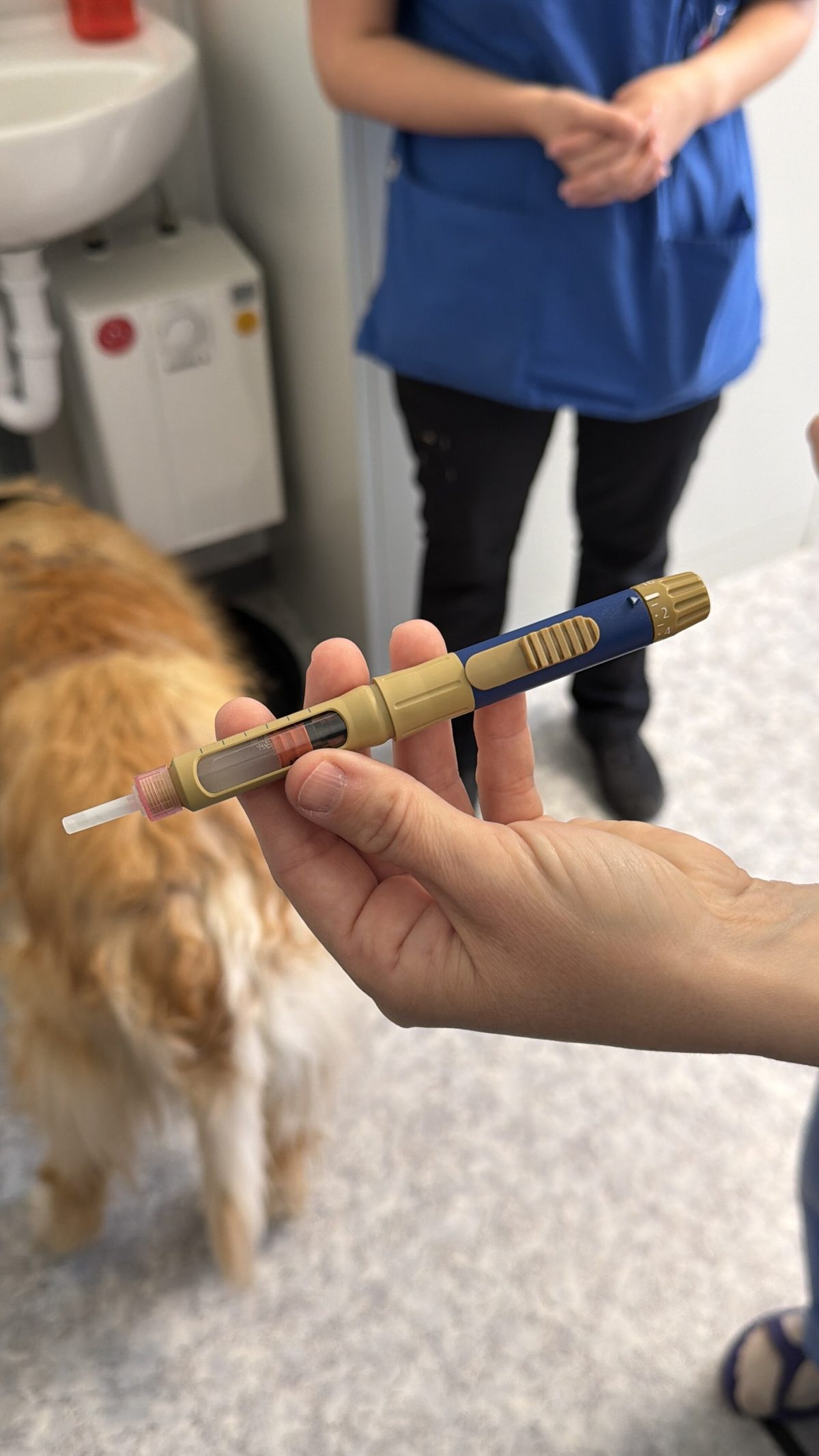
This is the angle I think most people miss, and it’s often where I’m more comfortable. Every one of these injections needs a device — a pen or autoinjector — and every dose needs to be manufactured, filled, and packaged at enormous scale. The companies that supply that hardware and capacity get paid whether the prescription says Lilly or Novo on it. They sell shovels during a gold rush instead of betting on a single miner.
Contract manufacturers, drug-delivery device specialists, and the suppliers ramping capacity to meet GLP-1 demand all fit here. The beauty of this approach is that you don’t have to pick the prescription winner; you just need the category to stay enormous, which looks like a safe bet for years. The trade-off is real too — some of these suppliers lean heavily on one or two huge customers, so a contract loss or a sudden demand swing can sting. Still, for an investor who believes in the theme but flinches at the leaders’ valuations, the supply chain is a sensible place to look.
This same logic — own the infrastructure, not just the headline product — shows up across my approach to the broader market, and it’s why several of my favorite ideas in the Best Growth Stocks to Buy in 2026 are enablers rather than the flashiest end-product names. Boring suppliers with pricing power age well.
The ripple effects, the losers, and the adjacent plays
One thing that surprised me is how far the ripples spread. If millions of people eat less and get healthier, that’s a headwind for some industries — packaged food, snacks, fast food, even medical-device makers tied to obesity-related conditions. My take: a lot of that “loser” narrative is overstated and very hard to time, so I’m wary of shorting the trend or dumping good companies on a thesis that may take a decade to play out.
There’s a more constructive angle. As these drugs help people live longer and manage chronic disease, demand for ongoing, tailored care grows alongside them. That overlaps with my interest in Personalized Medicine Stocks, where matching the right therapy to the right patient is the whole game — and metabolic medicine is becoming a prime example.
And don’t forget the bricks and mortar. A booming, durable drug category needs labs, plants, and specialized facilities, and that real estate has to be owned by someone. Investors who want the buildings rather than the molecules sometimes look at Healthcare REIT Stocks as a steadier, income-oriented way to sit near the theme without single-drug risk. It won’t shoot the lights out, but it sleeps better at night.
How I actually evaluate GLP-1 drug stocks
Knowing the buckets is half the work; judging a specific name is the other half. Here’s the checklist I run so a great story doesn’t talk me into a bad investment.
First, real products versus promises. Does the company already sell an approved GLP-1 drug and book the revenue, or is it living on a pipeline and a pitch deck? That one distinction separates the giants from the lottery tickets. Second, the pipeline and the catalysts — what’s the next major readout or label expansion, and what happens if it fails? Diversified shots on goal beat a single make-or-break trial every time.
Third, valuation versus expectations. The leaders are priced for excellent outcomes, so I ask what’s already baked in and what would have to go wrong to dent the story. A wonderful company bought at any price is still a poor investment. Finally, where the company sits in the chain — maker, challenger, or supplier — because that decides the risk you’re taking. Match the position size to the volatility, and keep the speculative names small. That discipline matters more in a hyped sector than anywhere else.
The risks I never wave away with GLP-1 drug stocks
I’m bullish on the theme, but I’d be doing you a disservice if I soft-pedaled the dangers. Start with valuation. The leaders have run a long way, and a lot of optimism is already in the price. When expectations are that high, even good news can land as a disappointment if it isn’t great news, and the drawdowns can be sharp.
Then there’s competition and pricing. More players are entering, which is great for patients and tougher for margins. Insurers and governments are pushing on price, and the long-term reimbursement picture is still being written. A faster-than-expected competitor or a meaningful pricing concession can reset the math on these names in a hurry. The challengers carry the extra, brutal risk of binary trial data and cash burn — a single failed readout can gut a clinical-stage stock overnight.
None of this breaks the thesis for me. It argues for the usual discipline: own the durable, profitable leaders or suppliers as your core, keep the speculative challengers small, and don’t let a thrilling narrative push your position sizes past your comfort. The trend is powerful. Your job is to ride it without betting the farm on any one ticker.
Frequently asked questions
Are GLP-1 drug stocks a good investment?
They can be, especially the profitable leaders, because demand has outrun supply and the treatable population is huge. But the giants trade at premium valuations, so a lot of growth is already priced in, and the smaller challengers are high-risk bets on trial data. I’d own the leaders or suppliers as a core and keep speculative names small. Check current data before investing.
Which companies are the GLP-1 market leaders?
Eli Lilly (LLY) and Novo Nordisk (NVO) dominate. Novo created the category with semaglutide (Ozempic and Wegovy), and Lilly competes hard with tirzepatide (Mounjaro and Zepbound). Between them they hold most of the market. A handful of challengers like Viking Therapeutics and Amgen are chasing next-generation drugs, but the two giants set the pace today.
Why is an oral GLP-1 drug such a big deal?
Most leading GLP-1 medicines are injections, and many people refuse to start a needle-based therapy. A pill with comparable results could pull in a far larger group of patients who’d happily take a daily tablet. That’s why Lilly’s oral candidate and Novo’s oral efforts are watched so closely — an effective pill could expand the whole market substantially.
What’s the safest way to invest in the GLP-1 theme?
There’s no truly safe route, but you can lower the risk. Favoring the profitable leaders with approved products beats betting on pre-revenue clinical-stage names. The picks-and-shovels suppliers — device and manufacturing companies — let you ride the category without picking a prescription winner. A healthcare or pharma ETF spreads single-name risk. Keep speculative positions small either way.
Can GLP-1 drugs hurt other stocks?
Possibly, over time. If millions of people eat less, that could pressure some packaged-food, snack, and fast-food companies, and a few medical-device niches tied to obesity-related conditions. I think much of that “loser” narrative is overstated and very hard to time, though, so I’m wary of shorting the trend or dumping solid companies on a thesis that may take many years to unfold.
The Bottom Line
GLP-1 is one of the most powerful growth themes in healthcare, but “GLP-1 drug stocks” hides several very different bets under one phrase. Get specific. Decide whether you’re buying a dominant, profitable leader, a high-variance challenger chasing the next pill, or a picks-and-shovels supplier that wins no matter whose brand sells. Judge each on real revenue, pipeline depth, and what’s already priced in — then size the positions for the volatility a hyped sector guarantees. Do that, stay diversified, and the structural tailwind can compound for you without one bad readout sinking the ship.
Last updated: June 2026. Figures are approximate and change — confirm current data before investing. Educational only, not individual investment advice.