
On this page
- The five buckets of nuclear energy stocks
- Why the nuclear thesis finally got real
- The uranium side: where the cash flow lives
- Small modular reactors: exciting, and the smallest slice of my book
- Utilities: the unsexy way to own reactors that already exist
- How I’d actually build the position
- What would make me wrong
- Frequently asked questions
- The Bottom Line
I bought my first uranium miner in a year when nobody wanted to talk about it. The sector was a graveyard. Post-Fukushima sentiment had crushed the fuel price and half the developers were burning cash to keep a field office lit. I was early, and early felt exactly like wrong for a very long time.
So what are we talking about here? Nuclear energy stocks are shares in companies tied to atomic power: uranium miners that dig the fuel, enrichment and fuel-services firms that process it, reactor and small modular reactor developers that design the plants, utilities that operate reactors, and the suppliers that build components. Each group behaves very differently in a portfolio.
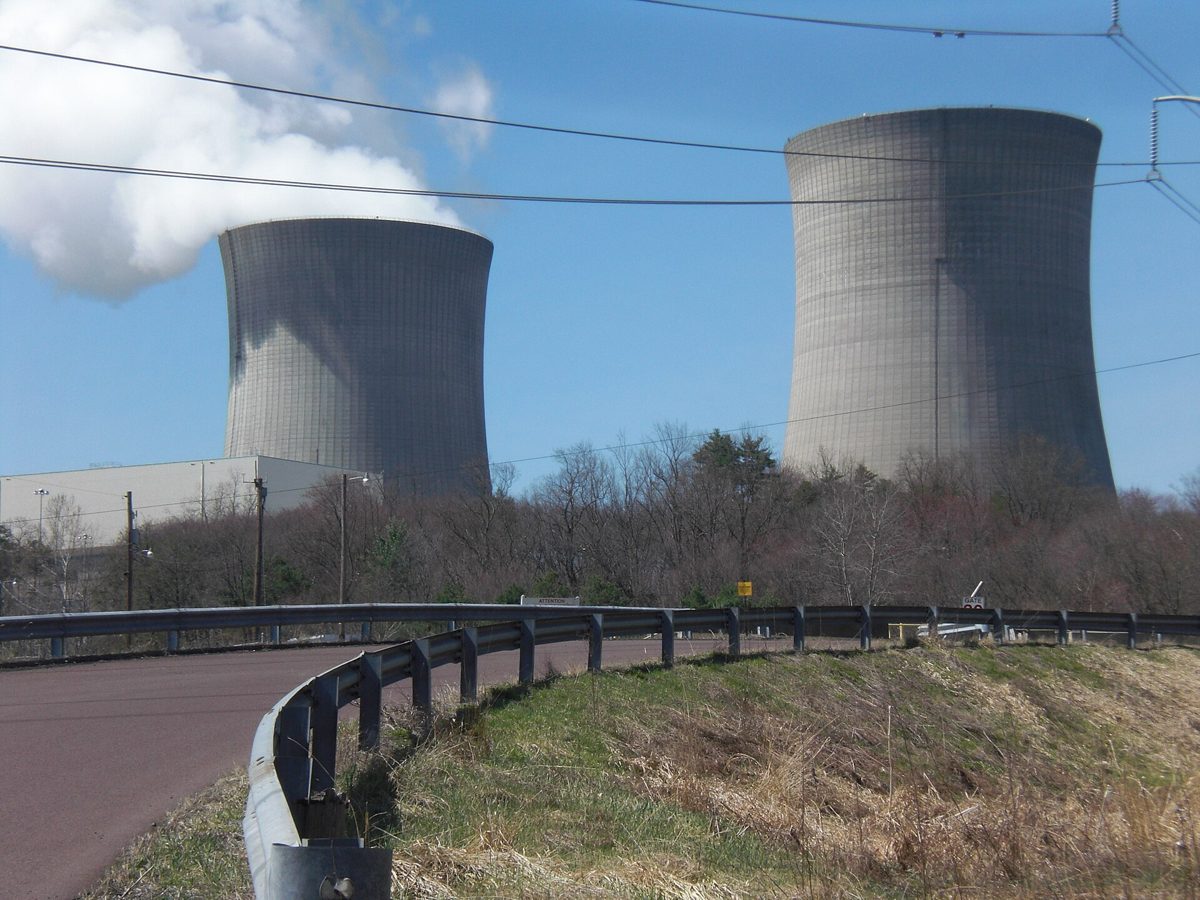
That’s the short version. The longer version is that this is now a crowded trade in places and a genuinely under-owned one in others, and telling the difference is most of the work. Here’s how I break the sector into buckets before I look at a single ticker.
The five buckets of nuclear energy stocks
| Segment | Example names | What actually drives the stock | My take on risk |
|---|---|---|---|
| Uranium producers | Cameco (CCJ), Kazatomprom, Energy Fuels (UUUU) | Spot and long-term uranium contract prices, production restarts, mine grade | Commodity cyclical. Real cash flow, but the price of the rock rules everything. |
| Uranium developers and explorers | NexGen Energy (NXE), Denison Mines (DNN), Uranium Energy Corp (UEC) | Permitting milestones, resource updates, financing, sentiment | Highest beta in the group. Some produce nothing yet. Position sizes should be small. |
| Fuel cycle and enrichment | Centrus Energy (LEU), Lightbridge (LTBR) | Western de-risking from Russian supply, government contracts, HALEU demand | Narrow moats, lumpy revenue, heavy policy dependence. Interesting but jumpy. |
| Reactor and SMR developers | NuScale Power (SMR), Oklo (OKLO), NANO Nuclear (NNE), BWX Technologies (BWXT) | Regulatory approvals, customer orders, first-of-a-kind construction news | Story stocks in most cases. BWXT is the outlier with a real defense business. |
| Nuclear utilities and IPPs | Constellation Energy (CEG), Vistra (VST), Talen Energy (TLN), Dominion (D) | Power prices, data center contracts, plant uprates, license extensions | The steadiest exposure. You own operating megawatts, not a promise. |
Prices, contract books and project timelines in this sector move constantly, so treat every figure below as approximate and check current filings before you act on any of it.
Why the nuclear thesis finally got real
I’ve watched three or four nuclear “revivals” that turned out to be nothing. This one is different for one boring, unglamorous reason: somebody showed up with money and a signature.
Data centers changed the demand math
For roughly two decades, U.S. electricity demand was flat. Efficiency gains offset population growth, and utilities planned for a world where they’d never build much of anything again. AI training and inference clusters broke that assumption in about eighteen months. These facilities want firm, always-on power with clean attributes attached, and they want it near where the fiber already runs.
Nuclear fits that shape better than anything else on the clean side of the ledger. U.S. reactors have historically run at capacity factors above 90 percent — check the current EIA data, but the number has been remarkably stable — which is a different animal from solar’s daytime-only output. Google, Microsoft and Amazon have all announced nuclear procurement arrangements of one kind or another. Those deals are what turned a slide-deck thesis into revenue visibility.
The catch is that generation is only half the problem. Getting that power from a reactor to a server hall requires transmission that largely doesn’t exist yet, which is why I think grid modernization is the quieter, less crowded way to play the same demand wave. Nobody is bidding up transformer manufacturers on a Reddit thread.
Policy stopped fighting it
The regulatory posture in Washington and across Europe has shifted from grudging tolerance to active support. Loan guarantees, production tax credits for existing plants, streamlined licensing pathways for advanced reactors, and outright funding for restart projects have all appeared in the last few years. Several countries that had scheduled shutdowns quietly reversed them.
I’d contrast this with the treatment other decarbonization routes have received. Carbon capture gets generous subsidies but still struggles to clear the economics bar without them. Nuclear’s problem was never physics or economics on a lifetime basis — it was construction risk and permitting friction. Policy addresses exactly those two things.
Energy security became a portfolio input
Fuel that can be stockpiled for years is a strategic asset when pipelines get weaponized. Western utilities also spent the last few years trying to unwind their dependence on Russian enrichment services, which handed a genuine tailwind to domestic fuel-cycle companies. That’s a policy-driven revenue stream, and policy-driven revenue can reverse, but the direction of travel has been consistent.
The uranium side: where the cash flow lives
If you want fundamentals rather than narrative, start here. Demand for uranium is expected to grow substantially through 2040 as reactors get built and restarted — I’ve seen credible projections of roughly a doubling, and I’ve seen more aggressive ones, so treat any specific tonnage number you read as a guess with a wide error bar. What’s harder to argue with is the supply side. Mines take a decade to permit and build. You cannot conjure new pounds in response to a price spike.
Cameco is the default
Cameco operates Cigar Lake and McArthur River in Saskatchewan’s Athabasca Basin, which hosts some of the highest-grade uranium on Earth. Grade matters enormously — it’s the difference between a mine that prints money at a mediocre uranium price and one that needs a boom to break even.
Two things make Cameco more than a commodity proxy. First, its contract book is long-dated, so a large chunk of near-term deliveries is already priced. That smooths earnings when spot swings. Second, its stake in Westinghouse gives it exposure to reactor servicing and new-build engineering, which is a different revenue stream from digging rock. Check the current contracted volumes in the latest quarterly — the number moves every reporting period.
Developers are lottery tickets with geology attached
NexGen’s Rook I project in Saskatchewan is the headline asset among pre-production names, and Denison and UEC each have their own restart and ISR stories. I own some of this category. I keep the position deliberately small, because a permitting delay or a financing round at a bad price can cut one of these in half without the underlying thesis changing at all.
One structural point worth internalizing: uranium equities tend to move ahead of the uranium price and overshoot it in both directions. If you buy a developer, you’re expressing a view on sentiment as much as on supply and demand.
Small modular reactors: exciting, and the smallest slice of my book
SMRs are the part of this sector that generates the most enthusiasm and, so far, the fewest kilowatt-hours. The engineering case is legitimate — factory-built modules should cut the construction risk that has historically destroyed nuclear project economics. The investment case is harder, because most of these companies are pre-revenue and valued on a total addressable market that assumes the first units get built on time and on budget.
NuScale has the furthest-along regulatory position among U.S. designs. Oklo has a differentiated fast-reactor approach and some high-profile backing. NANO Nuclear is earlier still. BWX Technologies is the one I’d point a conservative investor toward, because it manufactures naval reactors under long-term government contracts — an actual business that exists today, with SMR work as optionality on top rather than the entire thesis.
My honest read: I’d cap the whole pre-revenue SMR bucket at a couple of percent of a portfolio and treat any single name as a total-loss candidate. That’s not bearishness. It’s what venture-stage risk in a public wrapper deserves.
Utilities: the unsexy way to own reactors that already exist
Constellation runs the largest U.S. nuclear fleet. Vistra and Talen own significant nuclear capacity as well. These businesses were valued like sleepy regulated utilities until data center demand made their firm, carbon-free megawatts strategically scarce, and the market repriced them accordingly.
What I like about this bucket: no construction risk, no permitting cliff, no financing round. The plants are built and running. What I don’t like: a lot of the good news is already in the prices, and a normalization in power prices would hurt. If you’re building around best growth stocks to buy in 2026, these are the names that let you hold the theme without needing every SMR milestone to land.
How I’d actually build the position
Three rules I use for anything this cyclical.
- Stage the entries. Uranium and nuclear equities have violent drawdowns inside intact bull markets. Buying in thirds over months has saved me more money than any single piece of analysis.
- Weight toward cash flow. My rough split leans heaviest on producers and operating utilities, lighter on fuel-cycle names, lightest on developers and SMRs. Adjust to your own risk tolerance, but let the money-making businesses carry the weight.
- Don’t let it become the portfolio. This is one thematic sleeve. I’d want it sitting alongside other exposures — the broader set of best clean energy growth stocks and the electrification demand running through the ev supply chain, which is driven by the same underlying story of everything needing more electrons.
If picking individual names feels like too much, sector ETFs like URA and NLR exist, and a physical uranium trust gives commodity exposure without single-mine risk. You pay a fee and give up the upside of getting a specific pick right.
What would make me wrong
An accident anywhere in the world resets sentiment overnight. Fukushima erased a decade. That risk never fully goes away.
Beyond that: SMR timelines slipping badly enough to break the story, data center power demand growing more slowly than the current forecasts assume, a political reversal that pulls subsidy support, or a supply response that arrives faster than expected. And the simplest one — a lot of these stocks have already run hard on expectation rather than earnings. Paying any price for a good theme is how good themes turn into bad returns.
Frequently asked questions
Are nuclear energy stocks a good long-term investment?
I think the demand backdrop is the most durable I’ve seen in twenty years, driven by data centers, electrification and policy support. But the sector is cyclical and sentiment-driven, so long-term works better than tactical here. Size it as a thematic sleeve, not a core holding, and expect drawdowns along the way.
Should I buy uranium miners or reactor companies?
Different bets entirely. Miners give you commodity exposure with existing revenue and real assets in the ground. Reactor and SMR developers give you technology exposure that pays off only if projects get built. I hold more miners than developers, because miners make money today while developers make promises.
What is the safest way to get nuclear exposure?
Utilities with operating fleets, such as Constellation or Vistra, carry the least existential risk — the plants exist and generate cash. A diversified sector ETF is the next mildest option. The riskiest positions are pre-revenue SMR developers and exploration-stage uranium juniors, which can lose most of their value on a single delay.
How does uranium pricing actually affect these stocks?
Producers sell mostly on long-term contracts, so their earnings lag spot moves rather than tracking them tick for tick. Equity prices, though, tend to react to spot immediately and overshoot. That gap between reported fundamentals and market reaction creates both the opportunity and the volatility in this sector.
Do data center deals guarantee nuclear growth?
They validate demand, which is meaningful, but announced agreements are not delivered megawatts. Transmission constraints, permitting and construction timelines all sit between a signed contract and power flowing. I treat these deals as strong confirmation of direction and weak evidence about timing.
The Bottom Line
Nuclear went from unfundable to strategically essential in about five years, and the market has noticed. That means the easy repricing is behind us and the discipline matters more now. My approach: own the producers and operating utilities for the cash flow, take a small swing on developers and SMRs for the optionality, stage your entries, and accept that a sector this politically and psychologically sensitive will hand you some ugly quarters. The thesis is sound. The entry price still decides your return.
Last updated: August 2026. Figures are approximate and change — confirm current data before investing. Educational only, not individual investment advice.