On this page
I grew up about an hour from a wind farm, and for years I drove past those slow-turning blades without thinking twice. Then I started looking at the numbers behind them, and the picture changed for me completely. Those turbines aren’t a feel-good science project. They’re industrial machines printing electricity that often costs less than gas, and there’s a whole supply chain of public companies behind every blade.
So here’s the short version. Wind energy is electricity generated by turbines that turn moving air into power, and for growth investors it opens up a chain of companies: turbine makers, project developers, utility operators, and the suppliers feeding all of them. Each link carries a very different risk-reward profile, and that distinction is where the real decisions get made.
I’ll be honest about my bias up front. I’ve watched this sector get oversold during the 2022 to 2023 stretch, when supply chains snarled, interest rates jumped, and a string of offshore projects got cancelled. A lot of investors swore off the whole theme. I think that overreaction is exactly why it’s worth a careful second look now, with clearer eyes and a healthy respect for the trade-offs.
Why wind energy matters for growth investors
Electricity demand is climbing again after years of flat growth, and the reason is everywhere you look. Data centers running AI workloads, factories reshoring, homes and cars electrifying. All of it needs more power, and a lot of that new supply is coming from wind and solar simply because they’re often the cheapest new generation you can build.
Wind currently supplies somewhere around 10% of global electricity, and most forecasts have that share roughly doubling by 2030 with room to keep climbing after that. Treat those figures as directional, not gospel, and check current data before you lean on them. But the direction is what matters for a growth thesis. This is a multi-decade buildout, not a one-year trade.
The part I like is that wind isn’t a single bet. You can own the company that builds the turbines, the developer that assembles the project, the utility that operates it for decades, or the supplier that sells gearboxes and cables to all of them. Five different business models, five different ways the money flows. That’s also why I treat wind as one piece of a wider clean-energy book rather than a standalone wager, and my roundup of the Best Clean Energy Growth Stocks is where I map out how the whole sector fits together.
Onshore vs offshore wind energy at a glance
Before you buy anything, you need to understand the split between onshore and offshore, because they behave like two separate industries. Onshore is the mature, cost-competitive workhorse. Offshore is the higher-growth, higher-risk frontier. Here’s how I size up the two, plus the supplier layer that sits underneath both.
| Segment | What it is | Cost and maturity | My read on the risk |
|---|---|---|---|
| Onshore wind | Turbines on land, often farmland or open plains | Mature, among the cheapest new generation | Steadier; competition squeezes margins |
| Offshore wind | Large turbines anchored in coastal waters | Costly to build, stronger and steadier wind | Big upside, big execution and timeline risk |
| Turbine makers | Design and manufacture the machines | Capital-heavy, thin margins on hardware | Cyclical; pricing discipline is everything |
| Developers / operators | Build projects, then run them for decades | Predictable cash once a project is live | Rate-sensitive; debt costs hit hard |
| Component suppliers | Cables, gearboxes, bearings, towers | Sell into the whole industry at once | Lower single-bet risk; still cyclical |
Players and tickers shift, so confirm current data before acting on any of this. The point of the table isn’t a buy list. It’s to show you that “investing in wind energy” can mean five genuinely different things, with five different risk profiles you should choose between on purpose.
Onshore wind: the cost-competitive workhorse
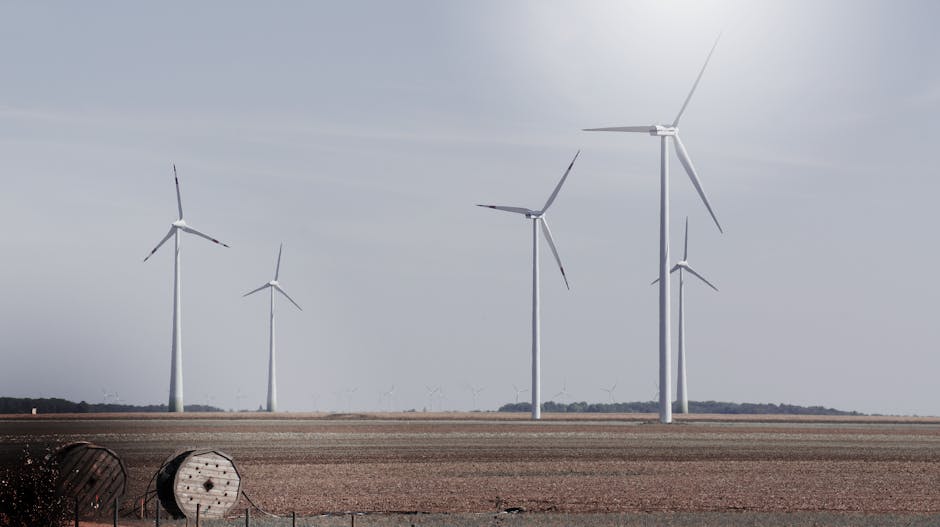
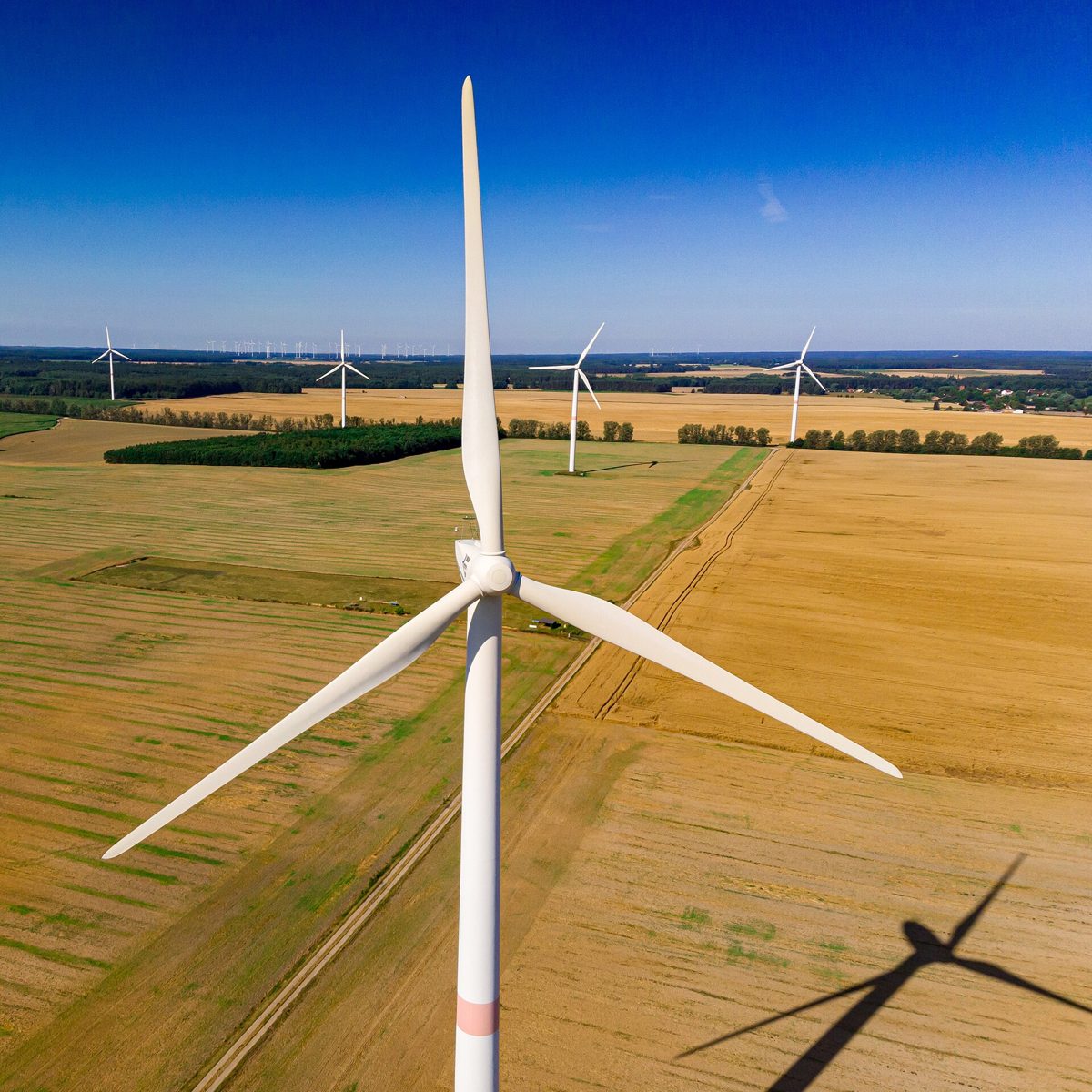
Onshore wind is one of the cheapest forms of new electricity on the planet, full stop. The technology is mature, the operating history goes back decades, and the economics are well understood. Modern turbines keep getting taller and more powerful, with rotor diameters stretching past 160 meters and capacities reaching roughly 6 to 7 megawatts per machine, which means each turbine harvests more wind and squeezes out more power.
What I like about onshore is its boring predictability. Utilities buy it to hit clean-energy targets, and big tech companies sign long power purchase agreements to feed their data centers. The flip side is that “cheap and mature” also means crowded. Turbine makers compete hard on price, and that pressure shows up in thin margins. So I care a lot about which manufacturer actually holds pricing discipline rather than chasing volume at any cost.
Offshore wind: higher growth, higher risk
Offshore is the glamorous, high-stakes side of the business. The wind out at sea blows stronger and steadier, so capacity factors run higher and the power is more predictable. Massive projects are underway off the coasts of Europe, the U.S., and Asia, and the U.S. offshore market alone is expected to drive somewhere in the tens of billions of dollars in turbine spending over the next decade. That figure moves around, so check current data.
Here’s the catch I never let myself forget. Offshore is brutally expensive and hard to execute. You’re building foundations on the seabed, laying subsea cables, chartering specialized vessels, and grinding through permits for years. Several high-profile offshore projects got cancelled across 2023 and 2024 when early contracts priced the power too low to cover ballooning costs. The industry has since renegotiated with higher strike prices, but offshore remains the place where I expect the widest gap between a great story and an actual profit.
How I actually evaluate wind energy stocks
Theme investing gets dangerous when the story is this appealing, because a good narrative makes it easy to overpay. So I run every wind name through a short checklist before I take it seriously.
- Is the project economics real? Signed contracts at prices that cover today’s costs beat optimistic projections every time.
- How exposed is it to interest rates? Wind projects run on debt, so rising rates can wreck returns on deals signed at the wrong time.
- Onshore or offshore mix? A developer leaning heavily on offshore carries far more execution risk than one anchored in onshore.
- Where in the supply chain does it sit? A supplier selling to the whole industry carries less single-bet risk than one project operator.
- What am I paying for the growth? If the valuation already assumes flawless execution a decade out, the margin for error is gone.
That interest-rate point is the one most people underrate. Wind developers borrow heavily to build, so when rates climbed in 2022 the math on projects signed at low power prices fell apart fast. When rates ease, the same projects look far healthier. If you don’t have a view on financing costs, you don’t really have a view on wind stocks.
Don’t bet the whole portfolio on one theme
I keep wind energy as one slice of a diversified growth book, never the centerpiece. The sector is genuinely cyclical, sensitive to policy and rates, and capable of going nowhere for a couple of years even when the long-term direction is up. I’d rather hold a basket across the layers above, sized so a blowup in any single name stings without doing lasting damage. For the broader foundation I build around first, my list of the Best Growth Stocks to Buy in 2026 is where I start before sprinkling in higher-risk theme bets like this one.
Adjacent clean-energy themes worth a look
Wind doesn’t operate alone. The hardest problem in renewables is that the wind doesn’t always blow when you need the power, and that single gap is what makes the surrounding technologies so interesting as investments.
Storage is the obvious partner. To make wind reliable around the clock, you need somewhere to park the excess, which is exactly why I keep an eye on the Best Battery Stocks. For longer-duration and industrial energy needs, some investors look toward Hydrogen Fuel Cell Stocks, since green hydrogen can be made with surplus wind power when prices are low.
The demand side matters just as much. All that clean electricity has to go somewhere, and transportation is a huge sink for it, which ties wind into the buildout behind EV Charging Stocks. Thinking across these themes is how I spot where one trend quietly powers another, and wind sits right at the center of that web.
Frequently asked questions
Is wind energy a good investment in 2026?
It can be, but it’s cyclical and rate-sensitive, so timing and stock selection matter a lot. The long-term direction looks strong as electricity demand climbs, yet individual wind stocks can stall for a year or two. I treat it as one measured slice of a diversified growth portfolio rather than a single concentrated bet, and check current data first.
What’s the difference between onshore and offshore wind stocks?
Onshore is the mature, cost-competitive side with steadier economics and tighter margins from heavy competition. Offshore offers stronger, more consistent wind and higher growth, but it carries far greater construction costs, longer timelines, and real execution risk. A company’s mix of the two tells you a lot about how volatile its earnings are likely to be.
Why did wind stocks fall so hard in 2022 and 2023?
A few things hit at once. Supply chains snarled and pushed up equipment costs, interest rates jumped and wrecked the math on projects signed at low power prices, and several offshore developments got cancelled. The long-term demand story stayed intact, but many individual stock prices had run well ahead of those suddenly harsher economics.
How do interest rates affect wind energy investments?
Heavily. Wind projects are built largely with borrowed money, so when rates rise, financing costs climb and returns on already-signed deals shrink. When rates fall, the same projects look much healthier and new ones pencil out more easily. If you’re weighing wind stocks, you’re partly making a call on the direction of financing costs.
What’s the safest way to invest in wind energy?
I lean toward component suppliers and diversified operators rather than betting on a single offshore project developer. Suppliers sell into the whole industry, so they don’t depend on one project succeeding. Spreading across the supply chain, or holding a diversified clean-energy basket with wind as one slice, lowers your single-stock risk meaningfully.
The Bottom Line
Wind energy isn’t a maybe anymore. The turbines are spinning, the power is often the cheapest new supply on the grid, and demand for electricity is climbing in a way that gives this theme a long runway. But the gap between “the technology works” and “this specific stock makes me money” is wide, especially offshore, and plenty of investors learned that the hard way in 2022 and 2023. My approach is to spread exposure across the layers, favor companies with real project economics and manageable debt, stay mindful of interest rates, refuse to overpay for a perfect timeline, and keep the whole theme as one measured slice of a diversified portfolio. Do that, and you can ride a genuine multi-decade buildout without betting the farm on which turbine maker wins.
Last updated: June 2026. Figures are approximate and change — confirm current data before investing. Educational only, not individual investment advice.